
All-On-4 replaces a full arch of teeth with one restoration fixed to four to six implants, while a conventional denture rests on the gums and comes out every day. An implant-supported denture sits between the two: it snaps onto implants but is still removable.
Which one fits depends on your bone, your gums, your health history and what you want day to day. Below, we compare stability, jawbone effects, timelines and long-term care.
What Is the Difference Between All-On-4 and Dentures?
All three options replace most or all of the teeth in an upper or lower arch. The difference is where the support comes from, and that shapes stability, cleaning and how the jaw changes over time.
How Does a Conventional Denture Stay In?
A traditional full denture is a removable set of teeth on a gum-colored base. It stays in place through suction and a close fit against the gums and, for many wearers, a layer of adhesive. An upper denture usually covers the roof of the mouth to create that suction. A lower denture has far less surface to grip, which is why lower dentures tend to feel looser.
How Does an Implant-Supported Denture Work?
An implant-supported denture, often called a snap-in denture, is still removable, but it clicks onto attachments connected to two to six implants in the jaw. We offer this option, and patients choose it when they want a big step up in stability but prefer a restoration they can take out to clean. Because the implants carry much of the load, it moves far less than a denture that relies on the gums alone.
How Is an All-On-4 Restoration Different?
With All-On-4 dental implants, a smaller number of strategically positioned titanium implants, typically four to six, support one custom full-arch restoration that is fixed in place. You do not take it out at night. The implants act as a foundation beneath the teeth, so the restoration is secured to the jaw rather than resting on the gums, and it does not need adhesive.
How Do the Three Options Compare Side by Side?
This table summarizes the practical differences we discuss most often at full-arch consultations. Your own plan may differ, because the number of implants and the restoration design are decided from your exam and 3D records, not from a chart.
| Conventional denture | Implant-supported (snap-in) denture | All-On-4 fixed arch | |
|---|---|---|---|
| What holds it in place | Suction against the gums, sometimes with adhesive | Attachments that snap onto two to six implants | Secured to four to six implants |
| Removable at home? | Yes, taken out daily | Yes, unsnapped for cleaning | No, only the dental team removes it |
| Surgery involved | No implant surgery | Implant placement | Implant placement, often with extractions on the same day |
| Stability when chewing | Can shift, especially on a lower arch | Far less movement than a gum-supported denture | Fixed, so it does not lift or rock |
| Effect on jawbone | No stimulation of the bone under the gums | Implants load the bone where they sit | Implants load the bone where they sit |
| Covers the palate? | Upper dentures usually do | Depends on the design | Designed without full palate coverage |
| Daily care | Remove, brush and soak the denture; clean the gums | Remove and clean the denture; clean around each implant | Clean the arch, gumline and the space beneath it with prescribed tools |
| Professional upkeep | Periodic relines or remakes as the gums change | Attachment checks and implant maintenance visits | Implant maintenance visits; components and teeth may need repair over time |
Which Option Feels More Stable for Eating and Speaking?
Stability is usually the reason people start researching this question, often after a denture has moved one too many times during a meal or a conversation.
Chewing and Food Choices
A gum-supported denture can lift or rock when you bite into firmer foods, and food can slip underneath it. A snap-in denture resists that movement much better because the attachments hold it down. A fixed All-On-4 arch is secured to the implants, so it stays put while you chew, which can support more confident eating once healing is complete. During early healing after implant surgery, every implant patient follows a modified soft-food diet, and we explain when textures can be advanced.
Speech and Adjusting to New Teeth
Any new arch of teeth takes some getting used to. With a removable denture, speech changes often come from the denture shifting or from the palate coverage. With All-On-4, an initial period of speech and chewing adaptation is common as your tongue and lips learn the new shape, and we evaluate speech when we refine the final restoration.
What Happens to the Jawbone With Each Option?
When teeth are lost, the bone that once held their roots no longer receives the same stimulation, and it can shrink over time. A conventional denture sits on top of the gums, so it does not load the bone underneath. As the ridge changes, a denture that once fit well can start to feel loose, and it may need relines or a remake.
Implants are different because the support comes from the jaw itself. Functional loading through dental implants can help maintain bone in the areas where they are placed, although anatomy and overall health still influence long-term changes. That applies to both snap-in dentures and All-On-4, since both rest on implants. It is one reason we look closely at bone during planning: the All-On-4 approach uses angled, strategically positioned implants that may make efficient use of the bone you have and can reduce the need for extensive grafting in some cases, though it does not eliminate grafting for everyone.
How Long Does Treatment Take With Each Approach?
Timelines depend on extractions, grafting and how quickly you heal.
Implant-Supported Dentures
Because the denture connects to implants, the plan includes implant placement and a healing period while the bone integrates around them before the final attachments are connected. Bone integration commonly occurs over several months, and grafting, if needed, adds its own healing phase.
All-On-4
For many qualified patients, implant placement and a fixed provisional arch can be completed in one coordinated day, so they leave with teeth. That depends on implant stability, bone quality and bite, and if immediate loading is not advisable, we explain an appropriate temporary option. After healing and integration, we refine records and complete the final restoration, checking fit, bite, speech, cleaning access and appearance before it is finished.
Who Is a Good Candidate for All-On-4 Instead of a Denture?
A consultation makes sense when failing teeth, extensive tooth loss or an unstable denture is affecting comfort, function or confidence. Eligibility is decided clinically, not from a photo or an online checklist. We look at bone volume, gum health, medical conditions, medications, smoking, bite forces, hygiene and expectations.
Can You Switch to All-On-4 After Years of Wearing Dentures?
Often, yes. Wearing a denture for years does not rule out implants on its own. The main question is how much bone remains after years without teeth. Three-dimensional imaging shows us whether implants can be placed as planned or whether grafting, sinus treatment or another implant design should be discussed first.
When a Removable Option May Fit Better
Some patients prefer a restoration they can take out to clean, or their anatomy and health point toward fewer implants. In those cases an implant-supported denture can be a sensible middle path. Your consultation should cover fixed and removable options side by side, with the phases and responsibilities of each.
How Do You Care for Each Option Over Time?
None of these options is maintenance-free. A conventional denture is removed, brushed and stored as instructed, and the gums still need cleaning. A snap-in denture is removed for cleaning too, and the implants and attachments underneath need daily cleaning plus periodic checks, since attachments wear with use.
An All-On-4 arch stays in, so daily care means cleaning the restoration, the gumline and the space beneath the arch with tools selected for your design; our team demonstrates the techniques that fit your restoration. The gums and bone around implants can become inflamed if plaque is not managed, so this cleaning is not optional. Regular implant maintenance visits let us evaluate the tissues, bite, components and hygiene access. If you clench or grind, we may recommend a nightguard. Implants and restorations are designed for long-term service, but longevity varies, and the restoration may need repair or replacement even when the implants stay healthy.
How Do We Help You Compare Full-Arch Options in Oro Valley?
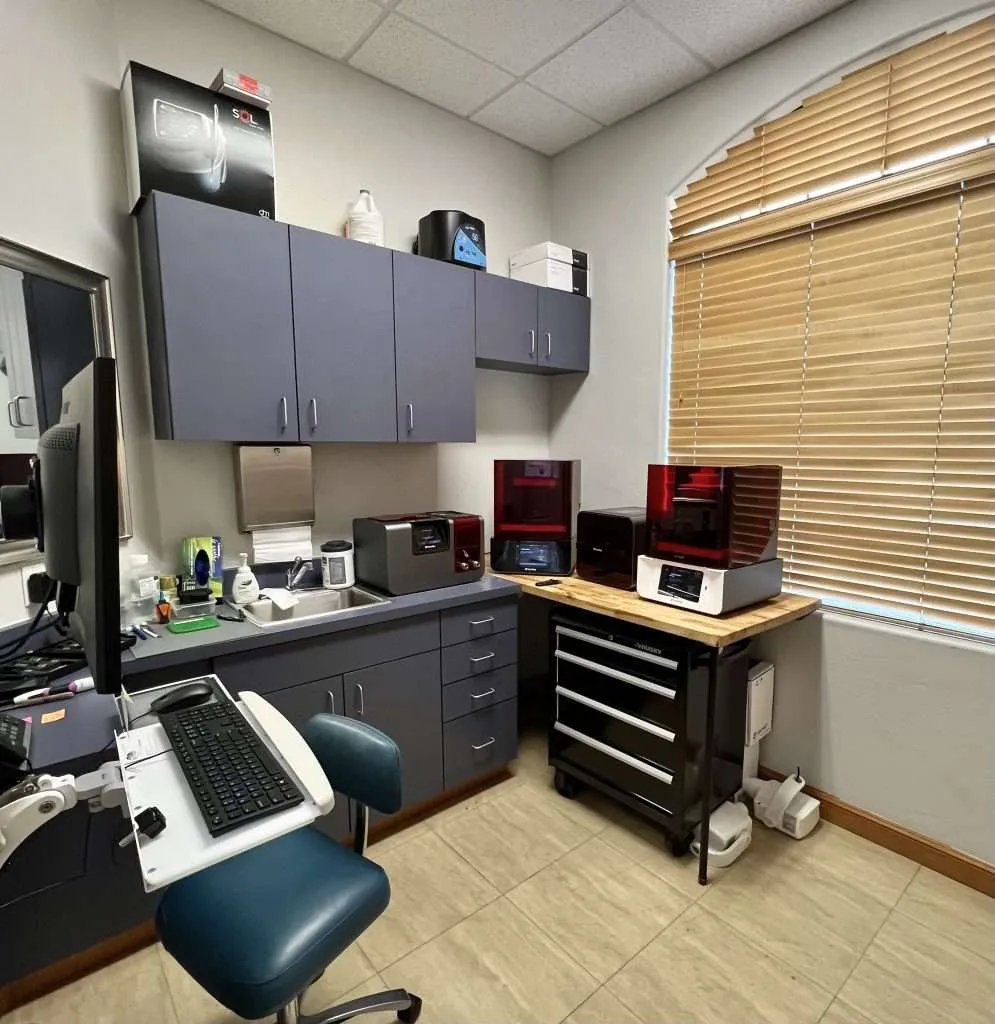
Full-arch planning at our office starts with a comprehensive exam and digital records. We use 3D imaging to evaluate bone and nearby anatomy and the iTero Element 2 scanner to record your teeth and bite, and our SprintRay Pro S 3D printer supports surgical guides and provisionals for selected cases. You can see how these tools fit together on our digital dental technology overview.
Implant care is a long-standing focus for both of our dentists. Dr. Joel Rutledge holds Diplomate status with the International Dental Implant Association and has volunteered his implant experience in the Dominican Republic. Dr. Nasrin Fard completed a Mastership Program in Implant Dentistry at UCLA, and her training includes implant placement and bone grafting. We plan the teeth and the implants together, so the surgical and restorative parts of care aim at the same result. Before treatment, our office team also reviews estimated costs, insurance benefits and current financing options with you, separately from the clinical recommendation.
Frequently Asked Questions
Is All-On-4 Better Than Dentures?
It is more stable, because it is fixed to implants instead of resting on the gums, and it can help maintain bone where the implants sit. It also involves surgery, a longer process and ongoing implant maintenance. Whether it is better for you depends on your bone, health and priorities.
Are Snap-In Dentures Better Than All-On-4?
Neither is better for everyone. Snap-in dentures stay removable and may use fewer implants in some cases, while All-On-4 stays fixed in place. We often compare both at the same visit so you can weigh stability, cleaning and your own preferences.
Will I Leave the Office With Teeth on Surgery Day?
Many qualified All-On-4 patients receive a fixed provisional arch the day implants are placed. Not everyone qualifies, because it depends on implant stability, bone quality and bite. If it is not advisable, we explain a temporary option.
Do I Need Bone Grafting for All-On-4?
Not always. The approach is designed to use available bone efficiently, but some patients still need grafting in selected areas. Your 3D imaging shows whether grafting or a different implant design should be part of the plan.
Talk With Our Team About Full-Arch Options
If a loose denture or failing teeth are making meals and conversation harder, a consultation is the clearest way to learn which full-arch option your bone and health can support. Request an appointment online or call our Oro Valley office at (520) 575-9449 to start with an exam and 3D records.