
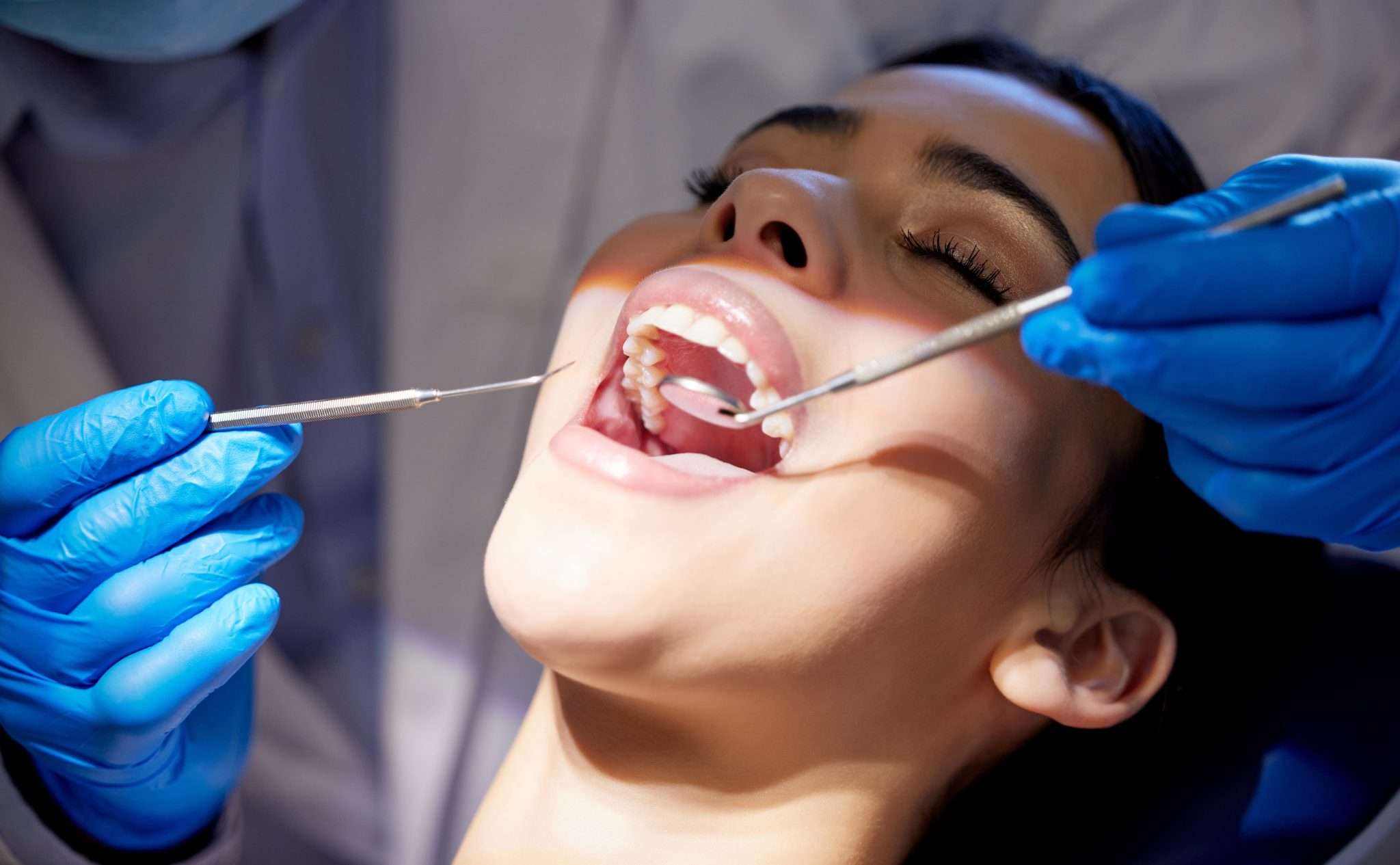
Dental bonding shapes tooth-colored composite directly on the tooth, usually in one visit, and is a conservative, repairable way to fix small chips, worn edges and minor gaps. Porcelain veneers are custom-made shells bonded to the front of the teeth, which give more control over color and shape and resist stain better, but usually involve a greater commitment.
The better choice depends on how much you want to change, how many teeth are involved, your bite, and how much tooth structure you want to preserve. Here is how we compare the two when patients ask.
What Is Dental Bonding?
Dental bonding uses a tooth-colored composite material that the dentist shapes and hardens directly on the tooth. Because it is added rather than removed, it often needs little or no tooth preparation. It is commonly considered for small chips, worn or uneven edges, small differences in tooth shape, and small spaces that make a smile look less balanced.
Bonding is conservative and repairable, which is its main appeal. Its tradeoff is durability of appearance: composite can stain or chip over time, and it does not resist discoloration the way glazed porcelain does. For a single chipped edge or a small gap, those tradeoffs are often worth it.
What Are Porcelain Veneers?
Veneers are thin porcelain restorations designed in a dental laboratory and bonded to the front surface of the teeth. They can change visible color, shape, proportion, and selected small spaces. Glazed porcelain resists stain differently from both natural enamel and composite bonding, and it can be layered to reflect light in a way that coordinates with natural teeth.
Veneers usually involve two main appointments, one for records and design and one for try-in and bonding. Some teeth need minimal contouring to create room so the porcelain does not look bulky. Lumineers, a branded thin porcelain veneer, may require less preparation in selected cases, while traditional veneers give more room to correct significant color, shape, or position concerns.
How Do Bonding and Veneers Compare?
The table below summarizes the differences we discuss most often at a cosmetic consultation.
| Dental bonding | Porcelain veneers | |
|---|---|---|
| Material | Tooth-colored composite shaped on the tooth | Thin custom porcelain made by a laboratory |
| Tooth preparation | Often little or none | Minimal to selective, depending on the case |
| Visits | Commonly one | Commonly two main appointments |
| Best suited to | Small chips, worn edges, minor gaps, small shape changes | Broader changes in color, shape and proportion across several teeth |
| Stain resistance | Can stain over time | Glazed porcelain resists stain |
| If it chips | Often repairable by adding material | Repairs may require replacing the veneer |
| Reversibility | Conservative; usually little enamel removed | Not something we promise is reversible |
When Is Bonding the Better Choice?
Small, Localized Changes
Bonding fits best when the change is small and localized: one chipped front tooth, a worn edge, a slight shape difference, or a minor space. It is also a sensible way to try a change conservatively, since little tooth structure is removed and the material can be adjusted or added to later.
When the Change Is Larger
The size of the change matters. Larger changes in color, shape, or position are often handled more predictably with alignment, porcelain, or a crown. Heavy bite forces and grinding can also chip composite, so we look at your bite before recommending it. Bonding can also help when an older restoration no longer blends with the teeth around it, provided the tooth underneath is healthy enough to support it.
When Are Veneers Worth Considering?
Coordinated Changes Across Several Teeth
Veneers make more sense when you want a coordinated change across several front teeth, when discoloration does not respond adequately to whitening, or when you want color that holds up to coffee and tea better than composite. They also give the laboratory more control over translucency, texture, and proportion.
When Veneers May Not Fit
Veneers have limits too. They may not be appropriate when teeth are significantly rotated or protruding, deeply discolored, decayed, or exposed to unfavorable bite forces. In those situations, Invisalign clear aligners, a crown, or a combination of treatments may provide more predictable results, and alignment first can sometimes reduce how much porcelain is needed at all.
What Is a Bonding Visit Like?
What Happens in the Chair
Bonding is commonly completed in one visit. After the exam confirms the tooth is healthy, the dentist selects a composite shade that matches your teeth, then shapes the material directly on the tooth and hardens it. Because the material is sculpted in the chair, you can see the shape develop and the dentist can refine it before you leave.
Shaping Around Your Bite
Shape is planned with function in mind. Edges, contacts, speech, bite and cleaning access matter alongside appearance, so the bonding is checked against your bite and polished, and we look at how the result fits your full smile rather than the single tooth.
How Long Do Bonding and Veneers Last?
How Long Bonding Lasts
Longevity varies with the material, your bite and your habits, so we talk about realistic maintenance rather than a fixed number of years. Bonding can stain or chip over time, but because it is added directly to the tooth, small problems can often be repaired by adding or reshaping material in a single visit.
How Long Porcelain Veneers Last
Porcelain is designed for long-term service and holds its color well, but it can chip or debond, and a repair may mean replacing the restoration. With either option, longevity depends on tooth support, hygiene, grinding, diet and accidents. Avoiding nail biting, ice chewing and using teeth as tools helps both last, and a nightguard may be recommended if you clench or grind.
Should You Whiten Before Bonding or Veneers?
Often, yes, if a brighter overall shade is part of your goal. Whitening changes the color of natural teeth, but it does not change the shade of bonding, fillings, crowns, or veneers. Completing KöR whitening first lets us match the bonding or porcelain to your final shade rather than to teeth that will later change. If you have existing restorations, we also discuss whether they will still blend after whitening.
How Do We Plan Cosmetic Changes at Rutledge Dental?
Every plan begins with what you want to change and what you want to keep. The dentist evaluates teeth, gums, enamel, existing restorations, tooth position, bite forces, and habits such as clenching, and active decay or gum disease is treated before elective care. Photographs and digital scans then support a visual discussion of bonding, porcelain, whitening, and alignment side by side.
Dr. Nasrin Fard brings training in biomimetic and minimally invasive esthetic dentistry to these conversations, which fits our preference for the most conservative option that can predictably meet your goal. You can see how bonding and veneers fit within a broader plan on our cosmetic dentistry overview, and choosing no treatment is always one of the options we discuss.
Frequently Asked Questions
How Is the Cost of Bonding or Veneers Decided?
Cost depends on the number of teeth, case complexity, records, laboratory work and preparation. A consultation is needed for a personalized estimate, and our office team reviews it and financing options with you before treatment.
Can Bonding Close Gaps Between Teeth?
Bonding can be a conservative option for small spaces. Larger gaps may look bulky if closed with material alone, so alignment or porcelain may be more predictable.
Do Veneers Stain?
Glazed porcelain resists stain better than natural enamel and composite bonding. The natural teeth and gums around veneers still need routine care and cleanings.
Can I Have Bonding on Some Teeth and Veneers on Others?
Sometimes. Mixed plans are possible when the shades and shapes are coordinated carefully, which is one reason we plan the whole smile rather than one tooth at a time.
Talk With Us About Your Smile Goals
A cosmetic consultation lets you compare bonding, veneers, and other options for your own teeth. Request an appointment online or call our Oro Valley office at (520) 575-9449.