
Many dental crowns serve for 10 to 15 years or longer with appropriate care. That range is a guide, not a promise. How long your crown lasts depends on how much healthy tooth remains underneath, the material, your bite, grinding habits, diet, and how well the crown margin is cleaned and checked over the years.
Patients often ask us this question when a crown is first recommended and again when an older crown starts to feel different. Below, we explain what shortens or extends a crown’s life, how same-day ceramic crowns fit in, and the signs that a crown needs attention.
Why Do Some Crowns Last Longer Than Others?
A crown covers a weakened or damaged tooth to restore its shape, protect what remains, and support a comfortable bite. It is only as stable as the foundation beneath it. A tooth with plenty of healthy structure gives the crown a strong base, while a tooth that has lost a great deal to decay or fracture leaves less to hold onto.
The Crown Margin
The crown margin, the edge where the crown meets the tooth, is the other weak point. Porcelain and ceramic do not decay, but the natural tooth at the margin can. When plaque is left along that edge, decay can start under the crown even though the crown itself looks fine. That is why daily cleaning around the margin and regular examinations matter as much as the crown material.
Root-Canal-Treated Teeth
Teeth that have had root canal treatment are a common example. Many root-canal-treated back teeth benefit from crown coverage because they have lost significant structure, and the crown helps protect what remains. Before recommending one, the dentist evaluates the tooth, symptoms, seal and remaining support.
Bite Forces and Grinding
Bite forces also play a large role. Back teeth carry heavy chewing loads, and people who clench or grind put extra stress on any restoration. Ceramic can chip or fracture under that stress, which is why a nightguard may be recommended if you grind.
What Shortens or Extends a Crown’s Lifespan?
Most of the factors are within reach of good habits and good planning. The table below summarizes what we look at.
| Factor | What tends to shorten a crown’s life | What tends to extend it |
|---|---|---|
| Remaining tooth structure | Very little healthy tooth left to support the crown | Enough sound tooth for a stable foundation |
| Crown margin | Plaque left along the edge, leading to decay underneath | Daily brushing and cleaning between teeth at the margin |
| Bite and grinding | Clenching, grinding, or a bite that feels high | Bite adjustment and a nightguard when recommended |
| Habits | Chewing ice, biting hard objects, using teeth as tools | Saving teeth for food |
| Gum health | Inflamed gums around the crown | Routine cleanings and gum care |
| Follow-up care | Skipping examinations | Regular exams that catch small problems early |
Do Same-Day Crowns Last as Long as Traditional Crowns?
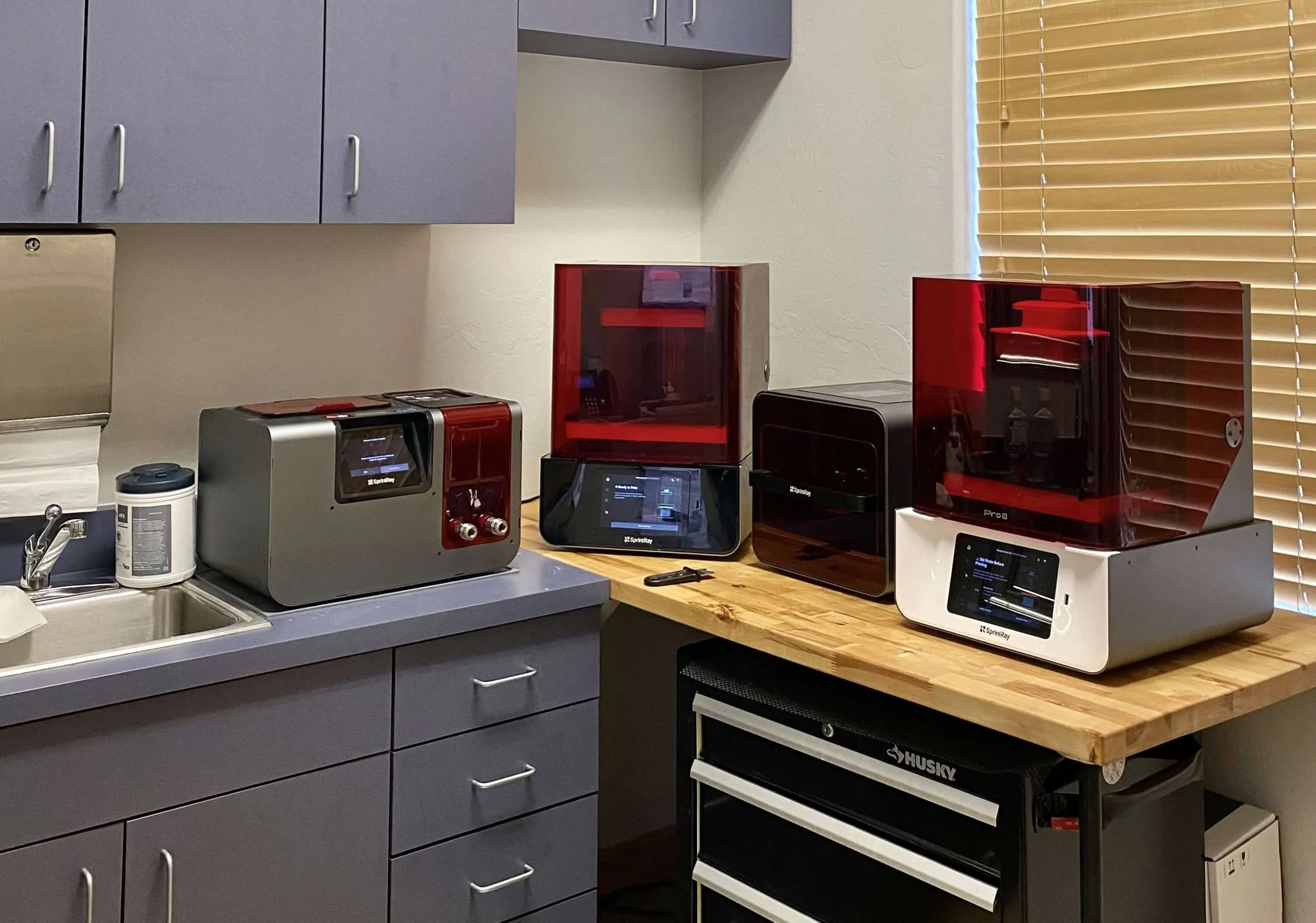
The longevity guidance we give applies to same-day crowns as well. The long-term goal is the same as any well-designed crown: protect the tooth and restore a stable bite that is easy to clean. What changes is the workflow. Instead of an impression, a temporary crown, and an outside laboratory, the tooth is scanned, the crown is designed on screen, milled from tooth-colored ceramic in the office, and bonded during one longer appointment for qualified teeth.
Same-day does not mean rushed. The tooth still needs careful preparation, an accurate scan, thoughtful design, material selection, try-in, bite adjustment, and bonding. We also consider whether same-day ceramic gives the right strength and appearance for that specific tooth. Some complex cases, and some front teeth with demanding color matching, are better served by a dental laboratory, and we will tell you when that is the case.
What Happens During a Same-Day Crown Visit?
Plan for one longer appointment rather than two shorter ones. The exact length depends on the tooth, the material and any additional treatment needed. The visit follows a set sequence:
- Examination and preparation. The dentist evaluates the tooth, gums, symptoms, bite and X-rays, then removes damaged structure and shapes the tooth for support.
- Digital scan. An intraoral scanner records the prepared tooth, neighboring contacts, opposing teeth and bite.
- Crown design. The restoration is designed on screen for fit, contact, bite, contour, thickness and appearance.
- In-office fabrication. The crown is milled from an appropriate ceramic block and finished in the office.
- Try-in and bonding. The dentist checks fit, cleansability, color and bite before bonding the crown and making final adjustments.
Because the final crown is made during the visit, a fragile temporary crown is usually unnecessary. Mild gum or tooth sensitivity after preparation and bonding is common and usually short-lived.
What Are the Signs a Crown Needs Attention?
Warning Signs to Watch For
Crowns rarely fail without warning. A bite that feels high or uncomfortable, new sensitivity around the tooth, a crown that feels loose, or a chip in the ceramic surface are all reasons to have it checked, even when nothing hurts.
What to Do if a Crown Comes Off
If a crown comes off completely, call the office. A broken tooth or lost crown is a situation our emergency dental care is set up to evaluate promptly. Small problems found early can sometimes be repaired or managed, while a crown left loose for weeks can allow decay to spread underneath.
How Can You Help a Crown Last?
Daily Care Around the Crown
Daily care is simple, but it has to be consistent. Brush twice a day, clean around the crown margin and between teeth every day, and keep your routine examinations and professional cleanings. Avoid chewing until numbness wears off after treatment, and report a bite that feels high, because an uneven bite concentrates force on the crown.
Habits That Put Crowns at Risk
If you clench or grind, ask about a nightguard. Avoid chewing ice, opening packages with your teeth, or biting hard objects. These habits are hard on natural enamel too, but ceramic does not repair itself, so a chip usually means a repair or a new crown.
How Are Crowns Planned at Our Oro Valley Office?
A crown is considered when a tooth needs more protection or structural support than a filling or dental bonding can provide, for example after a large cavity, a fracture, significant wear, or root canal treatment. We also confirm that the tooth and surrounding tissues can be restored predictably, because a crown placed on a tooth that cannot support it will not last, no matter how well it is made.
Our in-office workflow pairs the iTero Element 2 scanner with glidewell.io crown technology, and you can see how these tools fit together in our digital dental technology overview. Because the crown is tried in, adjusted, and polished before you leave, we can refine the bite at the same visit. Sometimes the exam shows that an onlay, a dental implant, or another approach would serve the tooth better, and we explain those alternatives openly.
Frequently Asked Questions
Can a Crown Last a Lifetime?
Some crowns serve for many years beyond the typical range, but no restoration is guaranteed to last indefinitely. Longevity depends on the tooth underneath, your bite, habits, and routine maintenance.
Can a Tooth Get a Cavity Under a Crown?
Yes. The crown itself cannot decay, but the natural tooth at the crown margin can. Cleaning that edge every day and keeping regular exams are the best protection.
Can a Chipped Crown Be Repaired?
It depends on the size and location of the chip. Small chips can sometimes be smoothed or managed, while larger fractures usually mean replacing the crown. An exam shows which applies.
Will I Need a Temporary Crown?
Usually not with a same-day crown, since the final restoration is completed in one visit. If treatment must be staged or a laboratory crown is recommended, a temporary may still be used.
Schedule a Crown Evaluation
If a tooth is cracked, heavily filled, or an older crown feels different, an exam is the best way to learn what it needs. Request an appointment online or call our Oro Valley office at (520) 575-9449.